جميع الفئات
- الرئيسية
- تسوق حسب الفئات
العلامات التجارية
- تسوق حسب العلامات التجارية
- العروض

- كلاب
- الطعام
- طعام جاف
- كلاب بالغة
- ايرثبورن هوليستك بريميتيڤ ناتشورال ديك الرومي مع الخضروات طعام جاف للكلاب البالغة 11.34 كجم
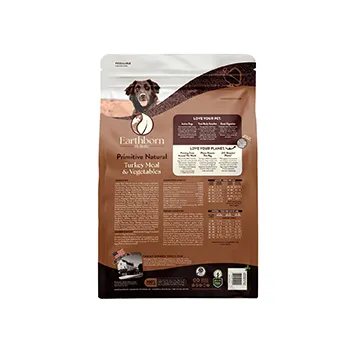
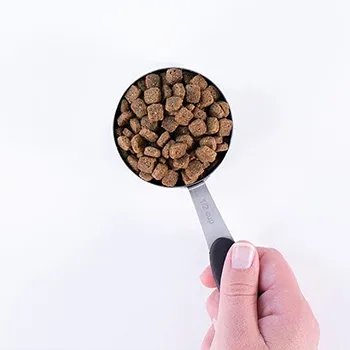
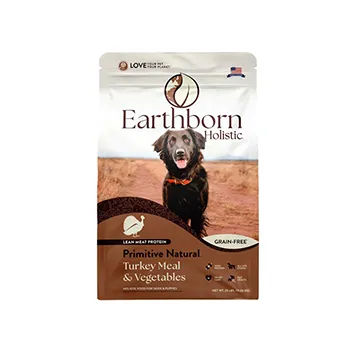
ايرثبورن هوليستك بريميتيڤ ناتشورال ديك الرومي مع الخضروات طعام جاف للكلاب البالغة 11.34 كجم
 إيرثبورن هولستيك
السعر
غير متوفر
معلومات المنتج
وصف المنتج
تفاصيل المنتج
Ingredients
Turkey Meal (Natural Source of Glucosamine and Chondroitin), Chicken Meal (Natural Source of Glucosamine and Chondroitin), Peas, Chicken Fat (Preserved with Mixed Tocopherols), Tapioca, Sweet Potato, Flaxseed, Dried Yeast, Pumpkin, Dried Egg, Natural Flavor, Salmon Meal, Alaska Pollock Meal, Whiting Meal, Apples, Blueberries, Carrots, Cranberries, Spinach, Dried Chicory Root (A Source of Inulin, a Prebiotic), Choline (Choline Chloride), Salt, Potassium Chloride, Taurine, L-Carnitine, Vitamins [Vitamin E ( -Tocopherol Acetate), Vitamin C (L-Ascorbyl-2-Polyphosphate), Vitamin B3 (Niacin), Vitamin B5 (Calcium Pantothenate), Vitamin B1 (Thiamine Mononitrate), Vitamin B2 (Riboflavin), Vitamin A (Vitamin A Acetate), Vitamin B12 Supplement, Vitamin B6 (Pyridoxine Hydrochloride), Vitamin D3 (Cholecalciferol), Vitamin B7 (Biotin), Vitamin B9 (Folic Acid)], Minerals [Zinc Sulfate, Ferrous Sulfate, Manganese Sulfate, Copper Sulfate, Zinc Proteinate, Manganese Proteinate, Copper Proteinate, Calcium Iodate, Sodium Selenite], Yucca Schidigera Extract, Rosemary Extract, Probiotics [Dried Enterococcus Faecium Fermentation Product, Dried Lactobacillus Casei Fermentation Product, Dried Lactobacillus Acidophilus Fermentation Product].
قراءة المزيدGuaranteed Analysis
Crude Protein Minimum: 32.00% Crude Fat Minimum: 18.00% Crude Fiber Maximum: 5.00% Moisture Maximum: 10.00% Docosahexaenoic Acid (DHA) Minimum: 0.05% Vitamin E Minimum: 300 IU/kg L-carnitine Minimum: 50 mg/kg Taurine Minimum: 0.10% Omega-6 Fatty Acids Minimum: 2.20% Omega-3 Fatty Acids Minimum: 1.20%
قراءة المزيدBenefits
L-carnitine helps burn fat and maintain lean muscle mass. Enriched with Taurine for heart health. Great for dogs allergic to grains and/or gluten as it’s grain-free and gluten-free. Rich in good fatty acids helps support your dog’s healthy skin and coat. Suitable for all life stages.
قراءة المزيدFeeding Guide
Adult Dog Weight of Dog : Food per Day 5 to 10 lbs. : ½ to ¾ cups 10 to 20 lbs. : ¾ to 1 ½ cups 20 to 30 lbs. : 1 ½ to 2 cups 30 to 40 lbs. : 2 to 2 ¼ cups 40 to 50 lbs. : 2 ¼ to 2 ¾ cups 50 to 60 lbs. : 2 ¾ to 3 ¼ cups 60 to 70 lbs. : 3 ¼ to 3 ½ cups 70 to 80 lbs. : 3 ½ to 4 cups 80 to 90 lbs. : 4 to 4 ¼ cups 90 to 100 lbs. : 4 ¼ to 4 ¾ cups 100+ : 4 ¾ cups Primitive Natural - Puppy Puppy's Weight : Food Per Day By Age Up to 3 months 2 to 10 lbs. : ½ to 1¼ cups 10 to 20 lbs. : 1¼ to 3 cups 20 to 30 lbs. : 3 to 4 cups 30 to 40 lbs. : 4 to 5 cups 40 to 50 lbs. : 5 to 6 cups 50 to 60 lbs. : 6 to 6¾ cups 60 to 70 lbs. : 6¾ to 7¼ cups 3 to 8 months 2 to 10 lbs. : 1 to 1¾ cups 10 to 20 lbs. : 1½ to 2 cups 20 to 30 lbs. : 2½ to 3½ cups 30 to 40 lbs. : 3 to 4¼ cups 40 to 50 lbs. : 4 to 5 cups 50 to 60 lbs. : 5 to 5¾ cups 60 to 70 lbs. : 5½ to 6 cups 6 to 12 months 2 to 10 lbs. : ½ to 1¼ cups 10 to 20 lbs. : 1 to 2 cups 20 to 30 lbs. : 2 to 2¾ cups 30 to 40 lbs. : 2½ to 3¾ cups 40 to 50 lbs. : 3½ to 4¼ cups 50 to 60 lbs. : 4 to 5 cups 60 to 70 lbs. : 4½ to 5 cups
قراءة المزيدTransitioning Instructions
To ensure a smooth transition to your dog’s new food and avoid stomach upsets, we recommend a gradual change over approximately 7–10 days. This allows your dog’s digestive system to adapt comfortably to the new food. Start Slowly: Begin by mixing the new food with your dog’s current food in a 25% new food to 75% old food ratio. Feed this mix for the first 2–3 days while observing your dog’s behavior and digestion. Gradual Increase: If your dog shows no signs of discomfort, increase the new-to-old food ratio to 50%/50% around day 4. Continue this mix for another 2–3 days while monitoring your dog’s response. Move to Majority New Food: After 6–7 days, adjust the mix to 75% new food and 25% old food. Continue monitoring to ensure your dog is adjusting well. Full Transition: By day 8–10, transition completely to 100% new food, assuming your dog has responded positively to the gradual change. Maintain Consistency: During this process, keep your dog’s feeding schedule, portion sizes, and eating location consistent to reduce stress and encourage adaptation. Tips for a Successful Transition: Monitor your dog for any signs of discomfort, such as diarrhea, vomiting, or reduced appetite. If any issues arise, slow down the transition process or consult your veterinarian for advice. Always ensure fresh water is available during and after mealtimes. By following these steps, your dog will have a smooth transition to their new food while maintaining their health and happiness.
قراءة المزيد